Operational Inventory Scope
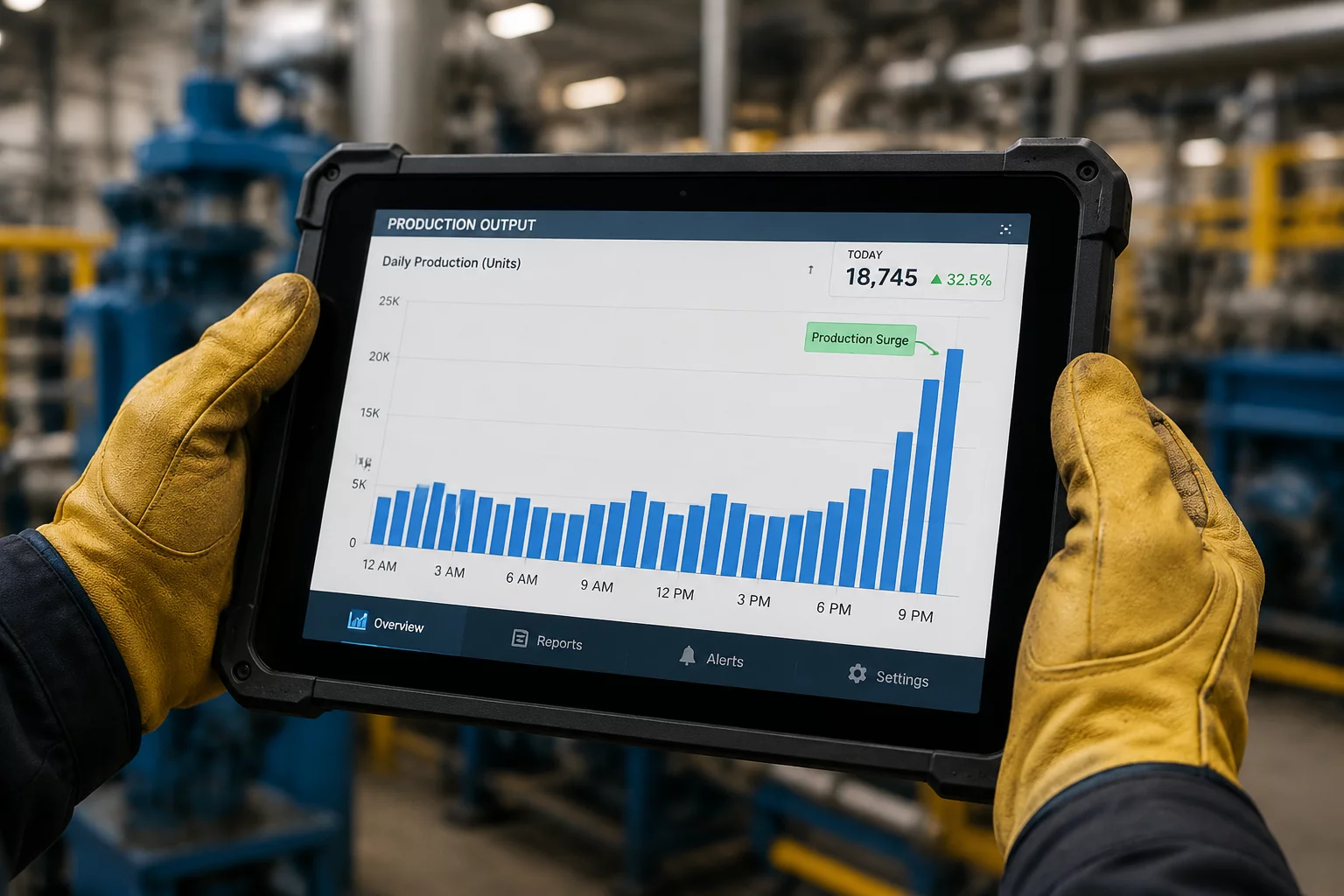
Point-of-use inventories often experience sudden demand surges during unexpected line maintenance, tooling breakages, or batch reconfigurations. This diagnostic case details how to isolate true consumption anomalies from recurring baseline demand to avoid creating costly overstock liabilities.
1. Diagnostic Evaluation & Replenishment Decisions
Sudden inventory depletion at line-side stations typically triggers immediate re-order escalations, causing long-term bullwhip oscillations across plant warehouses. When a production cell burns through a two-week allotment of carbide inserts or pneumatic fittings in three shifts, technicians frequently assume baseline demand has doubled. Field data reveals that over seventy percent of these surges stem from localized process shifts, operator technique differences, or minor batch tooling defects rather than sustained consumption increases.
Establishing an immediate telemetry audit before re-ordering prevents misallocated capital. Maintenance teams must examine whether the spike coincided with a specific component lot failure, an undocumented change in machine cycle speeds, or an unrecorded offline repair campaign. Comparing bin scan frequency against maintenance logs clarifies whether replenishment rules require permanent min-max recalibration or temporary buffer support through Fastenal inventory workflow channels.
| TRIGGER EVENT | VARIANCE THRESHOLD | WORKFLOW ACTION | STATUS |
|---|---|---|---|
| Single-shift depletion exceedance (>200% norm) | +120% to +250% | Issue spot-replenish order; check machine tooling wear | MONITORED |
| Three-consecutive-day buffer breach | +45% to +80% | Rebalance min-max target; verify shift change counts | EVALUATE |
| Seasonal batch changeover draw | +15% to +30% | Stage dedicated batch bin; retain nominal min-max | NOMINAL |
2. Line-Side Execution Protocol
Effective response requires structured execution directly at the storage point. Line leads and crib supervisors should follow a standardized triage routine to safeguard uptime while preserving inventory discipline.
Isolate Cell Consumption Logs
Pull the last 72 hours of digital bin transactions and correlate draw timestamps with machine run logs to pinpoint the exact failure or maintenance event triggering the surge.
Execute Emergency Buffer Top-Off
Dispatch a controlled top-off from central warehouse reserves rather than inflating automated vendor replenishment orders, keeping local safety margins stable.
Rebalance Point-of-Use Min-Max Triggers
Evaluate the rolling thirty-day average after five operational shifts. If higher burn persists legitimately, adjust baseline re-order points across line bins.
3. Fastenal Inventory Workflow Integration
Integrating consumption monitoring directly with Fastenal point-of-use bins automates the diagnostic feedback loop. When smart lockers or scale-based bins detect an anomaly, automated alerts notify maintenance supervisors before total stockout halts production lines.
This integration prevents human panic-buying while maintaining transparent visibility across plant cells. By establishing disciplined threshold gates, manufacturing plants sustain high uptime without cluttering shop floors with excess safety stock.