Operational Inventory Scope
Overstocking frequently stems from defensive ordering, erratic pull patterns, or outdated min-max levels. This operational guide details how maintenance teams and inventory coordinators isolate overstock root causes, recalculate replenishment cadences, and streamline line-side bin allocations without risking stockouts.
1. Diagnostic Evaluation & Replenishment Decisions
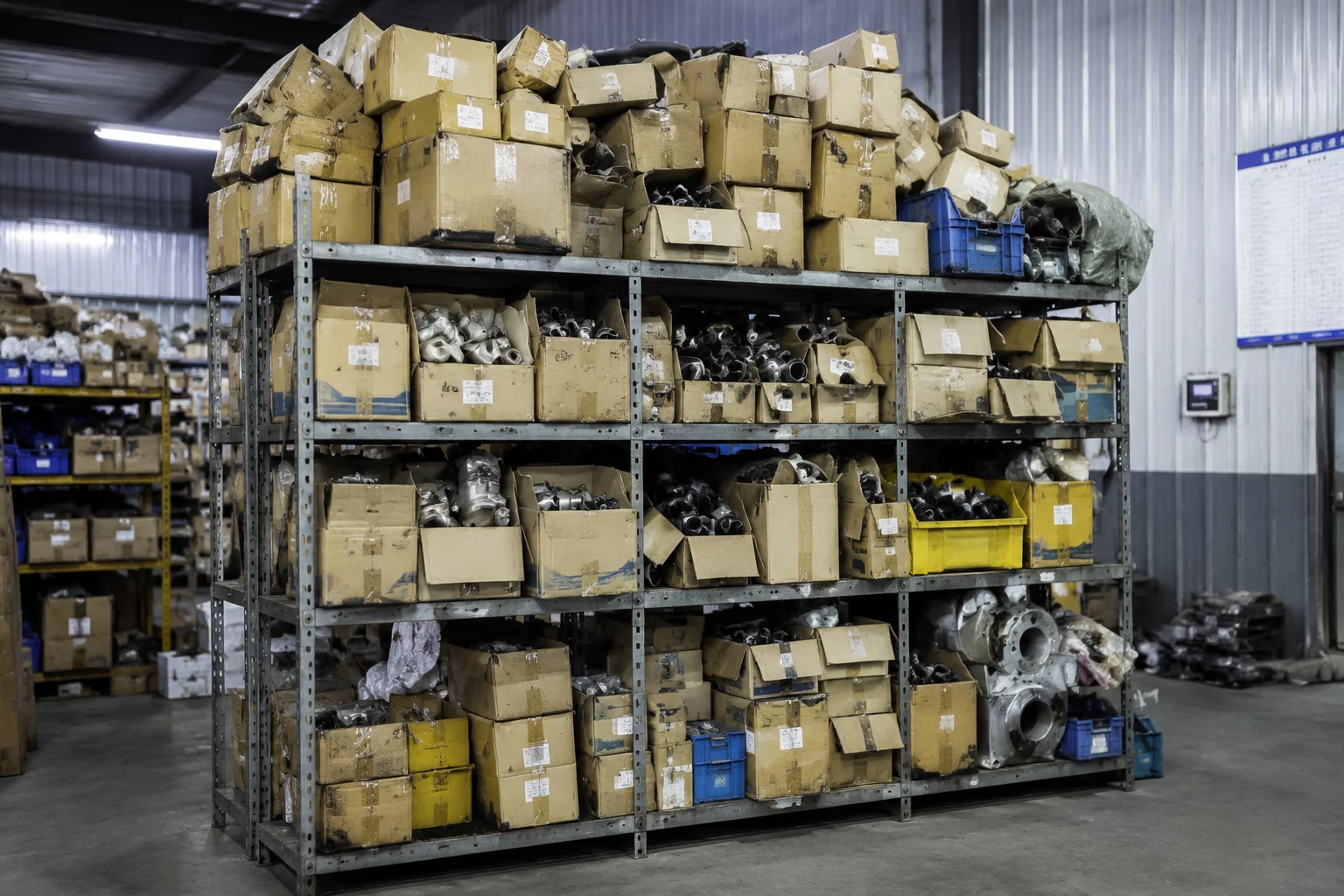
Excess inventory on the shop floor locks up working capital and clutters critical production footprints. When technicians encounter overflowing bins or obsolete assemblies lingering at line-side points of use, defensive buffering is usually the culprit. Maintenance leads tend to order surplus hardware when past stockouts caused severe downtime. Breaking this cycle requires rigorous data logging of actual consumption frequencies against theoretical safety stock targets.
Evaluating replenishment triggers requires cross-referencing recent shift logs with enterprise inventory records. Technicians inspect whether physical bin capacity aligns with weekly run-rates or if suppliers deliver in batch quantities that exceed floor space. By establishing transparent variance thresholds, inventory managers quickly identify whether high on-hand quantities reflect seasonal maintenance preparation or chronic over-replenishment.
| TRIGGER EVENT | VARIANCE THRESHOLD | WORKFLOW ACTION | STATUS |
|---|---|---|---|
| On-hand inventory exceeds 180% of max threshold | +80% standard ceiling | Freeze automated purchase order generation and execute bin audit | MONITORED |
| Zero consumption recorded across 60 operating days | 100% velocity drop | Tag for obsolescence review and return surplus to central tool crib | EVALUATE |
| Batch shipment exceeds point-of-use bin volume | +25% physical cube | Split delivery packages and adjust minimum order quantity | NOMINAL |
2. Line-Side Execution Protocol
Managing excess inventory at the line demands a standardized execution sequence. Field supervisors verify physical inventory states before touching ERP replenishment parameters, ensuring physical storage cleanliness directly mirrors digital inventory accuracy.
Conduct Physical Bin Density Sweep
Count on-hand physical stock across all secondary staging areas, noting loose parts, duplicated bin labels, and parts stored outside designated racks.
Recalibrate Dynamic Min-Max Thresholds
Compare 90-day consumption velocity against current lead times, adjusting maximum stocking thresholds downward to match real-time consumption rates.
Consolidate Surplus to Central Hub
Relocate verified excess stock from point-of-use bins back to central stores or initiate supplier return credits according to consignment terms.
3. Fastenal Inventory Workflow Integration
Modern industrial environments benefit greatly from automated point-of-use solutions such as Fastenal inventory workflows. When smart vending devices, RFID bins, and digital lockers monitor line-side consumption in real time, the tendency for technicians to hoard backup spares diminishes significantly. Automated telemetry captures pull rates dynamically, triggering purchase orders only when physical counts hit genuine minimum safety limits.
Integrating automated inventory telemetry directly with supply chain partners eliminates artificial demand amplification. Plant personnel maintain complete visibility over upcoming delivery schedules, ensuring that line-side bins remain lean while critical spare availability remains unbroken.