Real-Time Verification of Point-of-Use Stock
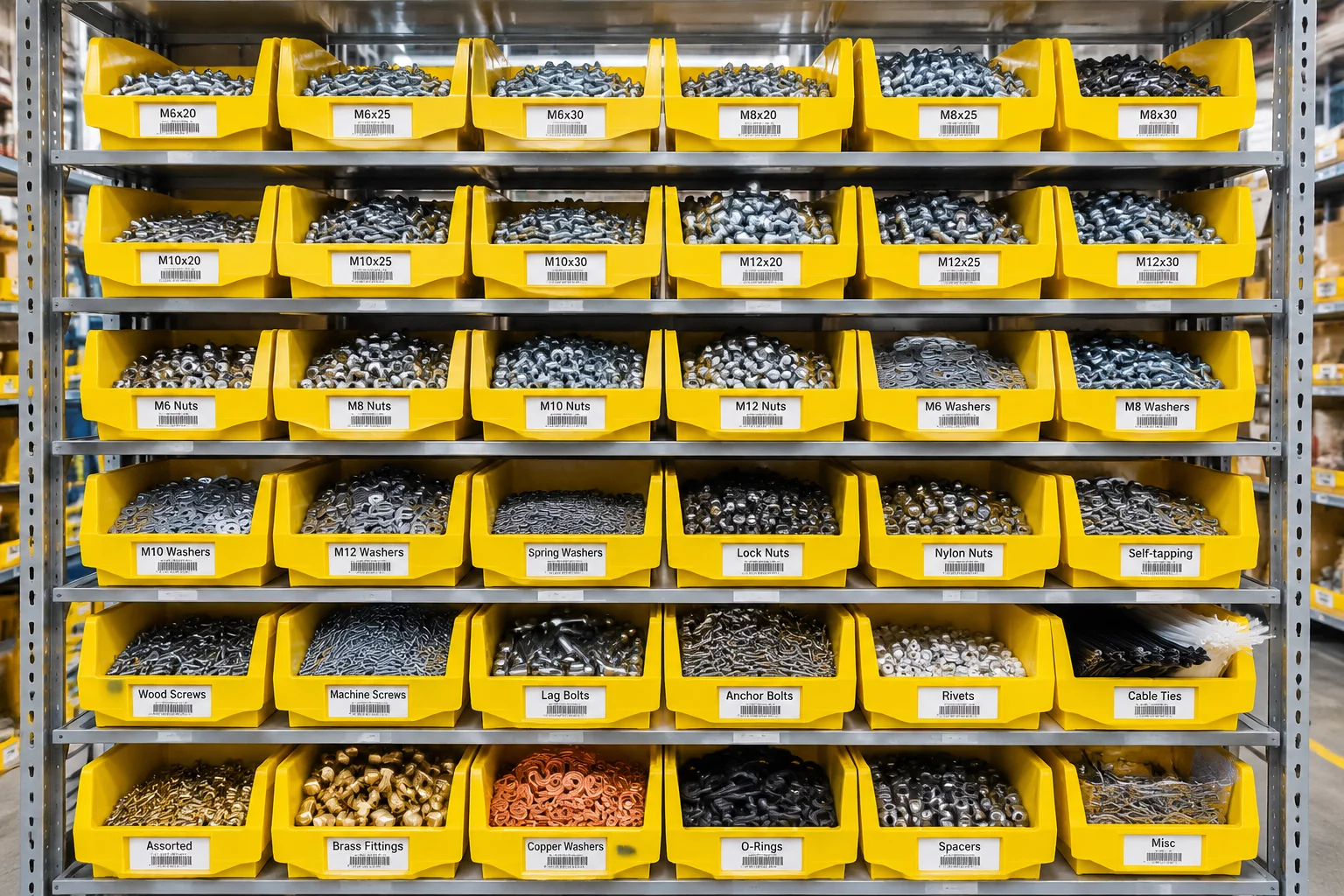
Point-of-use inventory availability determines line continuity during unexpected component swaps and scheduled preventative maintenance. Technicians rely on direct line-of-sight visual bins to verify hardware levels before beginning mechanical teardowns, avoiding wasted transit time across large industrial facilities.
Operational Warning: Zero Stockout Fallacy
Attempting 100% stock availability on low-criticality fasteners inflates local holding costs and causes bin congestion. Target 98% availability for critical line hardware while scheduling standard consumables on routine replenishment runs.
Availability Metrics and Replenishment Thresholds
Maintaining stock levels requires consistent trigger points based on average daily run rates and supplier lead windows. Standardizing reorder triggers prevents stock degradation during multi-shift operations.
Workcell Placement Matrix
Essential On-Site Verification Steps
- Inspect secondary buffer trays during morning shift handoff.
- Check barcode label legibility and part numbering standards.
- Verify minimum reorder flags when stock drops past the reserve line.
- Report unexpected consumption anomalies directly through the shift logbook.
Cell-Level Inventory Dynamics
On-site bins function as micro-warehouses situated directly next to assembly tooling. Technicians draw components without badge scans for fast assembly, relying on periodic visual sweeps by material handlers to capture actual consumption patterns.
Chain of Custody & Bin Access
Open-access bin setups prioritize technician agility over strict gating. High-value precision fasteners and specialized tooling require designated storage lockers with electronic keycard logs to ensure accountability and prevent cross-line borrowing.
Automated Reorder Sequences
Scanning an empty primary container immediately queues a fulfillment ticket within the central staging hub. Stock runners deliver replenishment totes during scheduled delivery windows before the secondary safety stock is exhausted.
Decision Guidelines & Diagnostic FAQ
High-velocity parts receive dedicated point-of-use shelving, while slow-moving maintenance items remain housed in centralized departmental cribs to conserve valuable line-side footprint.
An expedited replenishment run is triggered immediately through the dispatch queue, alerting the shift supervisor to prevent line stoppage.
Review bin parameters quarterly or whenever a production recipe changes to align bin capacities with actual line consumption.